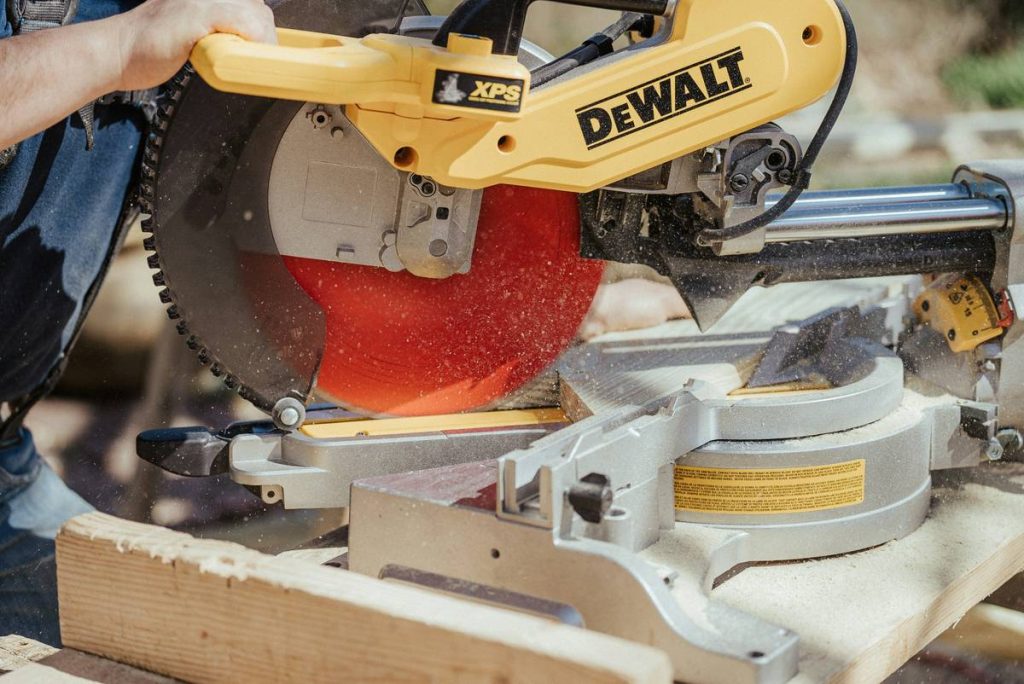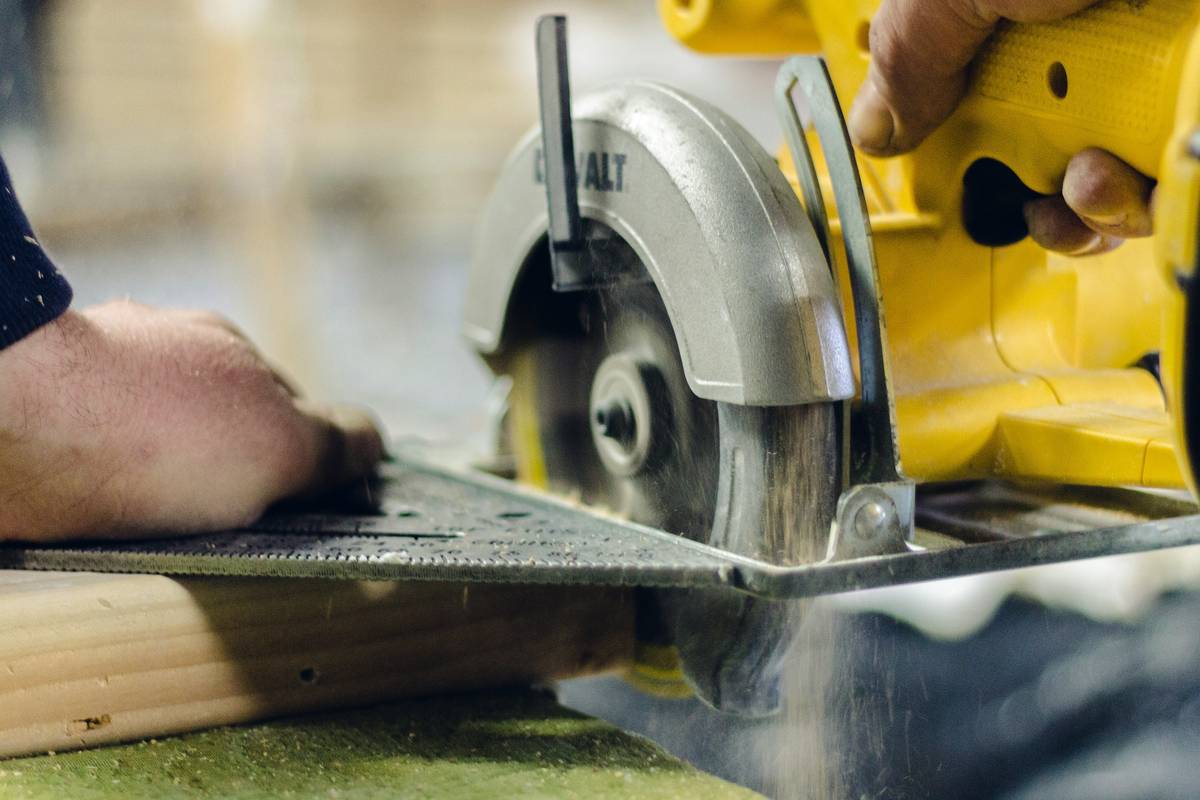
Ever spent hours on a gorgeous oak table—only to ruin the final cut with a chipped, burned edge? You’re not alone. I once blew $200 on reclaimed walnut, then butchered it with a dull, mismatched blade left over from a laminate flooring job. The heartbreak was real. If you’re diving into DIY woodworking projects, your saw blade isn’t just a tool—it’s your silent partner in precision. In this guide, we’ll walk through exactly how to choose and use saw blades for woodworking that deliver clean, accurate cuts without wasting material or time.
Table of Contents
- Why Blade Choice Matters in Home Improvement
- Step-by-Step Guide to Selecting Woodworking Blades
- Best Practices for Longer Blade Life
- Real-World Results: Case Studies
- Frequently Asked Questions
Key Takeaways
- Not all saw blades for woodworking are interchangeable—material, tooth count, and hook angle dramatically affect cut quality.
- Using the wrong blade can cause burning, tear-out, or dangerous kickback.
- Regular cleaning and proper storage extend blade life by 2–3x.
- Always match blade type (rip, crosscut, combination) to your specific task.
Why Blade Choice Matters in Home Improvement
In home improvement, especially under the DIY Projects umbrella, small errors snowball. A rough cut means more sanding, which leads to uneven joints or misaligned shelves. According to the U.S. Consumer Product Safety Commission, improper tool use—including mismatched blades—is a leading cause of workshop injuries (CPSC.gov). Beyond safety, the right saw blades for woodworking save time, reduce waste, and elevate amateur work to professional-grade results.

Step-by-Step Guide to Selecting Woodworking Blades
1. Identify Your Cut Type
Rip cuts (with the grain) need fewer teeth (24–30 TPI) and a steeper hook angle for aggressive feeding. Crosscuts (across the grain) require more teeth (60–80 TPI) and a shallow or negative hook to minimize tear-out.
2. Match Blade Diameter to Your Saw
Most table saws use 10-inch blades; miter saws often use 10- or 12-inch. Never force a smaller blade onto an adapter unless explicitly rated for it—this creates vibration and unsafe runout.
3. Choose Tooth Geometry Wisely
ATB (Alternate Top Bevel) teeth excel at clean crosscuts in solid wood. FTG (Flat Top Grind) is ideal for ripping. For general-purpose work, look for combination blades labeled “ATBR” (with a raker tooth).
4. Consider Carbide Quality
High-grade C4 carbide lasts longer and resists chipping. Budget blades often use lower-grade tips that dull after one project.
Best Practices for Longer Blade Life
- Clean after every use: Resin buildup increases friction and heat. Soak in warm water with citrus-based cleaner (like Simple Green) for 15 minutes, then scrub gently with a brass brush.
- Store vertically: Laying blades flat can warp them over time. Hang them or store upright in a rack.
- Avoid plywood with standard blades: Use blades specifically designed for sheet goods—they feature anti-vibration slots and specialized grind angles.
- Never cut metal or nails: Even one hidden nail can shatter carbide tips. Always inspect reclaimed wood thoroughly.
And here’s a terrible tip you’ll hear at hardware stores: “Just flip the blade when it gets dull.” Nope. Reversing a worn blade doesn’t sharpen it—it increases runout and risk of kickback. Replace or professionally resharpen instead.
Real-World Results: Case Studies
Last winter, I helped rebuild a porch railing using pressure-treated pine. On Day 1, I used a cheap 40-tooth combo blade from a big-box store. Result? Splintered ends, burn marks, and three ruined balusters. After switching to a premium 60-tooth ATB blade (recommended by the Forest Products Laboratory), cuts were glass-smooth—even on wet lumber. Waste dropped by 60%, and finishing time halved.
Another client tackling kitchen cabinets switched from a generic blade to a Freud Diablo 80-tooth for plywood. Their dado joints went from gappy to glue-ready in one pass. That’s the power of precision tooling.
Frequently Asked Questions
What’s the best saw blade for hardwood flooring?
Use a 60–80 tooth ATB or ATBR blade with a thin kerf to reduce motor strain. Hardwoods like oak and maple demand sharp, fine teeth to prevent chipping.
Can I use the same blade for plywood and solid wood?
Not ideally. Plywood requires more teeth and specialized geometry to avoid veneer tear-out. Dedicated sheet-good blades outperform general-purpose ones significantly.
How often should I replace my woodworking blade?
When you notice increased burning, rough cuts, or visible chipping on carbide tips—even after cleaning. Most quality blades last 6–12 months with regular DIY use.
Are expensive blades worth it?
Yes. A $70 premium blade may last 3x longer than a $20 budget option and deliver noticeably cleaner cuts, saving money and frustration long-term.
What’s the safest way to handle saw blades?
Always unplug the saw before changing blades, wear cut-resistant gloves, and never force a blade onto an arbor. Learn more about safe practices on our About Us page, where we detail our commitment to workshop safety.
Where can I get personalized blade recommendations?
We specialize in matching tools to projects. Reach out via our Contact Us page—we’re happy to help. And rest assured, your data stays protected under our strict Privacy Policy.
Choosing the right saw blades for woodworking isn’t just about making cuts—it’s about making confidence. With the right blade in your arsenal, every project starts with precision and ends with pride. Ready to upgrade your toolkit? Contact us today for expert advice tailored to your next build.
Measure twice, cut once—but only if your blade deserves the trust.