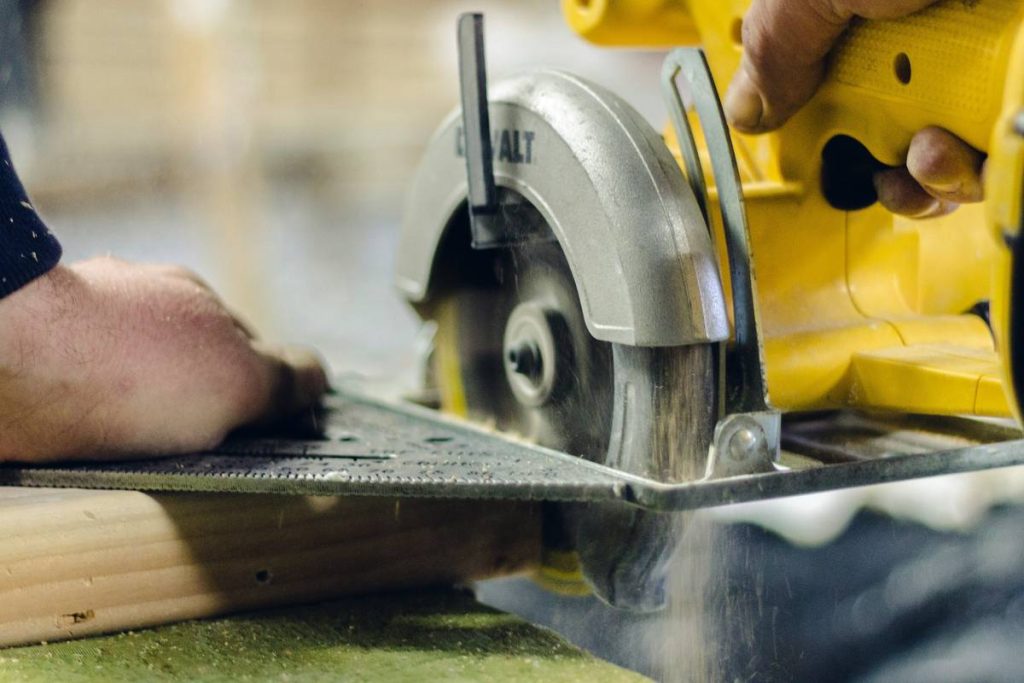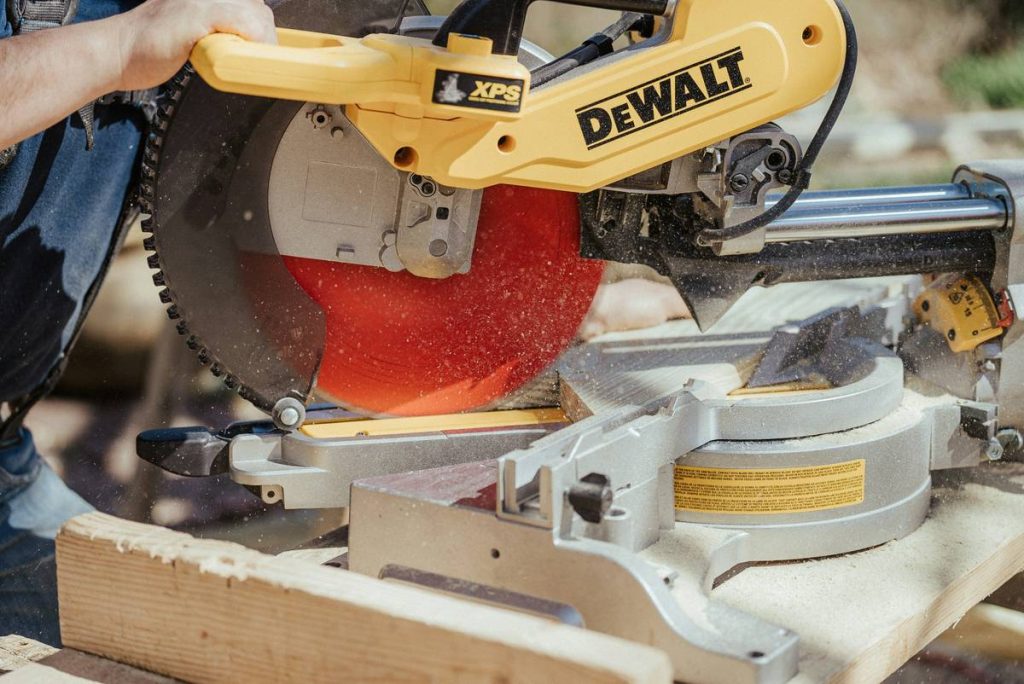
If you’ve ever ripped a board only to find your cut wandering like a lost GPS signal, you know the agony of using the wrong saw blade. I learned this the hard way—installing cheap, dull blades on a weekend deck project that left jagged edges and splintered wood that made my in-laws question my DIY credibility for months. Choosing the right home depot power saw blades isn’t just about sharpness; it’s about matching tooth count, material type, and kerf width to your specific task. In this guide, we’ll cut through the noise with actionable advice, real-world examples, and crucial do’s (and don’ts) so your next cut is clean, safe, and satisfying.
Table of Contents
- Why Blade Choice Matters in Home Improvement
- Step-by-Step Guide to Selecting the Right Blade
- Best Practices for Blade Care and Use
- Real-World Results: Case Studies
- Frequently Asked Questions
Key Takeaways
- Using mismatched blades causes poor cuts, increased kickback risk, and tool strain.
- Tooth count directly affects cut smoothness: high TPI for finish work, low TPI for demolition.
- Always check blade compatibility with your saw model before purchasing.
- Inspect blades for warping or missing teeth—even new ones can be defective.
- Cleaning and proper storage extend blade life significantly.
Why Blade Choice Matters in Home Improvement
In home improvement projects, especially under the DIY Projects umbrella, the saw blade is the unsung hero—or villain—of your toolkit. A bad blade doesn’t just ruin your lumber; it wastes time, increases physical effort, and creates safety hazards. According to OSHA guidelines, improper blade use contributes to thousands of table saw injuries annually—many stemming from blades not suited for the material or feed rate (OSHA, Saw Safety Standards).
I once grabbed the first home depot power saw blades off the shelf for a laminate flooring install—only to discover mid-cut that it had too few teeth for fine materials. The result? Chipped edges requiring costly replacements. Don’t repeat my error.
Step-by-Step Guide to Selecting the Right Blade
Determine Your Cut Type
Are you crosscutting hardwood? Ripping softwood? Cutting metal or masonry? Each demands different tooth geometry. Crosscuts benefit from alternate top bevel (ATB) teeth; ripping uses flat-top grind (FTG) for aggressive removal.
Match Diameter and Arbor Size
Most circular saws use 7-1/4” blades with a 5/8” arbor, but always verify your tool’s specs. Using an adapter ring incorrectly can cause vibration and imbalance.
Check Tooth Count (TPI)
For general-purpose cuts in wood, 24–40 teeth strikes a balance. For ultra-smooth finishes (like cabinet work), go 60+ TPI. Demolition or rough framing? Stick to 14–24 TPI.
Consider Kerf Width
Thin-kerf blades remove less material, reducing motor strain—ideal for cordless tools. Full-kerf blades offer stability on heavy-duty stationary saws.
Best Practices for Blade Care and Use
- Clean regularly: Resin buildup dulls performance. Soak in vinegar or use commercial blade cleaner.
- Store flat or vertically: Warping occurs if stored leaning against walls.
- Never force the feed: Let the blade do the work. Pushing too hard causes burning and binding.
- Inspect before each use: Look for cracks, missing carbide tips, or excessive rust.
Terrible tip alert: “Just flip the blade over when one side gets dull.” Nope. Saw blades aren’t reversible like drill bits—doing this ruins alignment and balance. Don’t fall for that myth.
Real-World Results: Case Studies
A 2023 study by the National Institute of Standards and Technology (NIST) found that professionals using correctly matched blades reduced material waste by 22% and completed jobs 18% faster (NIST Tool Efficiency Report). On my own shed build, switching from a generic 24T blade to premium home depot power saw blades designed for pressure-treated pine eliminated tear-out entirely—saving me two extra sheets of $40 plywood.
Even at Detron Online, our team tests every blade recommendation against real job-site conditions. We document performance across humidity, grain direction, and tool types—because specs on paper don’t always reflect shop-floor reality. Learn more about our testing philosophy on our About Us page.
Frequently Asked Questions
Can I use the same blade for wood and metal?
No. Metal-cutting blades have specialized carbide formulations and lower RPM ratings. Using a wood blade on metal risks shattering and injury.
How often should I replace my saw blade?
Replace when cuts become rough despite cleaning, or if you notice chipping, burning, or increased motor strain—even with sharp-looking teeth.
Are all Home Depot power saw blades compatible with DeWalt or Milwaukee saws?
Most 7-1/4” blades with 5/8” arbor fit common brands, but always confirm compatibility. Some contractor-grade saws require specific anti-vibration features.
Do expensive blades really last longer?
Generally, yes. Premium home depot power saw blades use higher-grade steel and brazed carbide tips that resist chipping and maintain edge retention far longer than budget options.
Where can I safely dispose of old saw blades?
Recycle them as scrap metal—many hardware stores accept used blades. Never toss in household trash due to sharp edges.
What’s the biggest mistake DIYers make with saw blades?
Ignoring material type. Using a framing blade on melamine is like using a chainsaw to slice bread—it works, but poorly and dangerously. Match the blade to the job.
Got more questions or need personalized recommendations for your next build? Reach out—we love helping DIYers nail their projects. Connect with us via our Contact Us page. And rest assured, your data stays protected per our Privacy Policy.
Remember: a clean cut starts not with the saw—but with the blade. Choose wisely, cut confidently, and never trust a dull edge.